
A Public Resource Compiled by the

Therapeutic / Stem Cell

Mexico Map

Mexico: Therapeutic / Stem Cell

Gene therapy is not explicitly regulated, but new biotechnology drugs are regulated by the General Health Law, which includes safety and efficacy assessments. Until more specific regulations are developed, gene therapy would be considered a new biotechnology drug, which is defined as any substance produced by molecular biotechnology that has a therapeutic effect. Applicants for

Mexico: Therapeutic / Stem Cell Read More »

China Map

China: Therapeutic / Stem Cell

Gene therapy is allowed and clinical trials only require approval by an ethics committee of a hospital. Approval from national regulatory agencies is not required. Research ethics committees are responsible for ensuring compliance by performing ethical review of their institutions’ biomedical research activities involving human research participants. However, there is uncertainty about whether these regulations

China: Therapeutic / Stem Cell Read More »
European Union Map

European Union: Therapeutic / Stem Cell

Gene therapy is permitted but must comply with clinical trial regulations, the EU Commission Regulation on advanced therapy medicinal products, and the European GMO Directive, written in 2001, that outlines regulations for organisms altered through genetic modification. Requirements include environmental risk assessments and assessments on the potential adverse effects on human health. In addition, the

European Union: Therapeutic / Stem Cell Read More »
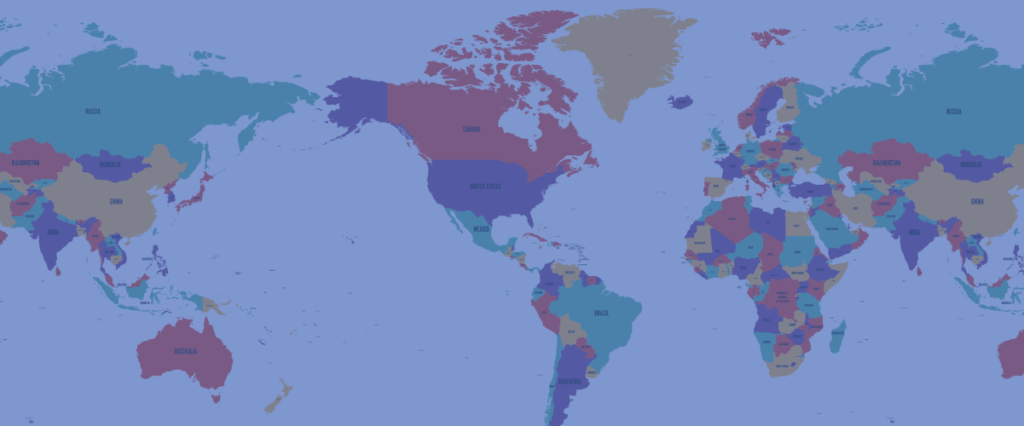
Gene editing is a set of techniques that can be used to precisely modify the DNA of almost any organism. It is being used for applications in human health, gene drives and agriculture. There are numerous gene-editing tools besides CRISPR-Cas 9, which gets most of the attention because it is a comparatively easy tool to use.

Gene editing does not usually involve transgenics – moving ‘foreign’ genes between species. It also refers to a specific technique in contrast to the general term GMO, which is scientifically ambiguous, as genetic modification is a process not a product. Most gene editing involves creating new products by deleting very small segments of DNA (sometimes in agriculture called Site-Directed Nuclease 1 or SDN-1 techniques), which can silence a gene or change a gene’s activity. Countries are evaluating whether or not to regulate this type of gene editing, since it is so similar to natural mutations. The GLP’s Gene Editing Index ratings reflect the regulatory status of SDN-1 techniques, which are the most liberally regulated and will generate most products in the near term.

To develop different products, gene editing can change larger segments of DNA or add DNA from other species (a form of transgenics sometimes in agriculture called SDN-2 or SDN-3 techniques). While many countries are not regulating or lightly regulating SDN-1 techniques, most are moving toward tightly regulating or even restricting SDN-2 and SDN-3.

For more background on the various gene editing SDN techniques, read background articles here and here.